Bulgaria Makes Ukraine a Priority for Development Aid Through 2030

KEY TAKEAWAYS
- Bulgaria has designated Ukraine, Moldova and the Western Balkans as priorities for its official development assistance.
- The policy is included in Bulgaria’s 2026–2030 Governance Program, adopted by the government in August 2026.
- The program sets December 2029 as the implementation deadline for this development-assistance priority, despite the broader government program running through 2030.
- Sofia says official development assistance is an important foreign-policy instrument focused on regions where Bulgaria has particular interests and expertise.
- Bulgaria also plans to continue supporting Ukraine, with a particular focus on energy security, while strengthening economic cooperation and investment ties.
- The Bulgarian government plans to establish a bilateral commission by the end of 2026 to address issues concerning the Bulgarian national minority in Ukraine.
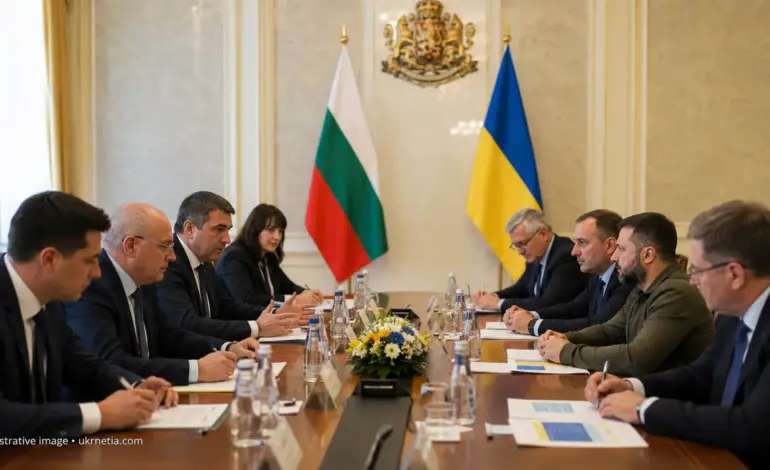
Bulgaria has placed Ukraine among the main priorities of its official development assistance policy as part of the government’s 2026–2030 program. The policy also covers Moldova and the Western Balkans, with Sofia planning to use development assistance as a foreign-policy tool while continuing support for Ukraine, particularly in the area of energy security.
Ukraine Named a Priority for Bulgarian Development Assistance
Bulgaria’s government has identified Ukraine, Moldova and the Western Balkan countries as priority recipients of its official development assistance.
The decision forms part of the Bulgarian government’s Governance Program for 2026–2030, which sets out Sofia’s policy priorities for the current government period.
The program describes development assistance as an instrument of Bulgarian foreign policy and places particular emphasis on regions where Bulgaria has established interests, expertise and longstanding relationships.
Policy Extends Into the End of 2029
Although the government’s broader program covers the period through 2030, the specific task concerning development assistance to priority regions has an implementation deadline of December 2029.
This distinction means the policy is being established within a four-year implementation horizon while remaining part of a government strategy that formally extends into 2030.
Ukraine is therefore being incorporated into Bulgaria’s longer-term foreign-policy planning rather than treated solely as an emergency wartime aid recipient.
Bulgaria Plans Continued Support for Ukraine
The Bulgarian government says it remains prepared to continue supporting Kyiv while diplomatic efforts to end Russia’s full-scale invasion continue.
According to the program, Bulgaria’s assistance to Ukraine will focus particularly on energy security.
This is significant because Ukraine’s energy infrastructure remains a major target of Russian attacks, making assistance in energy resilience an important element of international support.
Bulgaria has previously provided humanitarian and development assistance to Ukraine through international organizations. In November 2025, the Bulgarian government approved more than 2.38 million leva in humanitarian and development assistance for Ukraine and several other countries through international organizations.
Development Assistance Becomes Part of a Broader Partnership
The new policy goes beyond humanitarian assistance.
Bulgaria’s program also calls for expanding economic partnerships and supporting Bulgarian companies operating abroad. The government wants to attract investment into sectors including microelectronics, artificial intelligence, defense and energy.
For Ukraine, stronger economic cooperation could become increasingly important as the country continues preparing for reconstruction and deeper integration with the European economy.
Energy Could Become a Key Area of Cooperation
Energy security is one of the areas specifically highlighted in Bulgaria’s approach to Ukraine.
Bulgaria has an important geographic position in Southeastern Europe and has increasingly emphasized its role as an energy transit country.
At a June 2026 Ukraine Recovery Conference in Gdańsk, Bulgarian Prime Minister Rumen Radev called for international efforts and resources to support Ukraine’s long-term recovery and stressed the importance of ending the war to create conditions for reconstruction.
The new development-assistance policy gives that broader political position a longer-term framework.
Bulgaria Also Focuses on Its Community in Ukraine
The government program includes a separate commitment concerning Bulgarian communities living abroad, particularly the Bulgarian national minority in Ukraine.
Sofia intends to establish a bilateral mixed commission by December 2026 to address issues related to the rights of the Bulgarian national minority in Ukraine.
The initiative adds a cultural and minority-rights dimension to Bulgaria’s relationship with Kyiv.
Bulgaria has historically maintained close links with Ukrainian regions where ethnic Bulgarians live, particularly in southern Ukraine.
Ukraine Has Long Been a Bulgarian Priority
The latest decision builds on an existing Bulgarian policy of treating Ukraine as an important partner.
Bulgaria’s Ministry of Foreign Affairs has previously described Ukraine as a priority partner within the EU’s Eastern Partnership, citing geographical proximity, longstanding relations and Ukraine’s efforts to move closer to European integration.
The new government program therefore represents a continuation and expansion of an established foreign-policy direction rather than a completely new relationship.
Development Assistance Has a Strategic Role
For Sofia, development assistance is not presented simply as charitable support.
The Bulgarian government explicitly describes it as a foreign-policy instrument that can strengthen relationships with regions where the country has specific interests and expertise.
That approach allows Bulgaria to combine humanitarian support, economic cooperation, diplomatic engagement and regional influence.
For Ukraine, it provides another channel through which European countries can contribute to resilience and reconstruction.
Economic Cooperation Could Expand
The Bulgarian strategy also creates opportunities for deeper commercial ties.
The government wants Bulgarian businesses to expand internationally and plans to attract investment into high-value-added industries.
Ukraine’s reconstruction needs could create opportunities in areas such as energy, infrastructure, technology and industrial development, although the new Bulgarian program does not specify individual Ukrainian projects or funding amounts.
This means the policy establishes a strategic direction rather than announcing a specific financial package for Ukraine.
Support Comes as Ukraine Prepares for Reconstruction
Ukraine continues to prepare for the reconstruction of infrastructure, housing, energy systems and businesses damaged by Russia’s full-scale invasion.
European countries have increasingly linked wartime support with longer-term reconstruction and economic integration.
Bulgaria’s development-assistance policy fits into this wider European approach, particularly because Sofia identifies Ukraine not only as a country requiring assistance but also as a long-term regional partner.
A Long-Term Bulgarian Commitment
The inclusion of Ukraine in Bulgaria’s 2026–2030 government strategy gives bilateral relations a longer-term institutional framework.
The policy does not specify a single aid package or a fixed amount of funding for Ukraine. Instead, it establishes Ukraine as one of the priority destinations for Bulgaria’s development-assistance policy and connects that support with energy security, economic cooperation and regional interests.
For Kyiv, the decision provides another indication that support from neighboring EU countries is increasingly being structured around long-term cooperation rather than only immediate wartime assistance.
Bulgaria’s decision to make Ukraine a priority for official development assistance through the end of 2029 strengthens the long-term framework for cooperation between the two countries. While the government program does not announce a specific new financial package, its focus on energy security, economic cooperation and support for Bulgarian communities in Ukraine gives the relationship a broader strategic dimension as Kyiv prepares for continued war and eventual reconstruction.