
Bulgaria Gets Eurovision 2027: Why Hosting the Contest Could Be a Major Opportunity for the Country

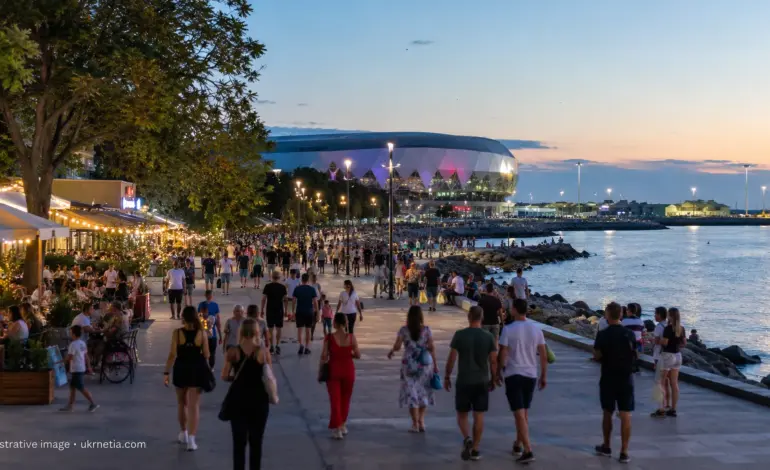
Bulgaria is preparing for one of the biggest international cultural events in its modern history. After Bulgarian singer Dara won the Eurovision Song Contest 2026 with “Bangaranga,” Bulgaria will host the 71st Eurovision Song Contest in May 2027. The event will take place in Burgas, on the country’s Black Sea coast, with the semi-finals scheduled for May 11 and 13 and the grand final on May 15.
The choice of Burgas rather than Sofia makes the story particularly interesting. Instead of placing Eurovision in the capital, Bulgaria is bringing one of Europe’s most watched entertainment events to a coastal city of around 200,000 people.
That could turn Eurovision into much more than three nights of music. For Bulgaria, it is an opportunity to promote tourism, strengthen the international image of the Black Sea coast, support local businesses, attract investment and demonstrate that the country can organize a major European event outside its capital.
A First for Bulgaria
Bulgaria has participated in Eurovision since 2005 and has experienced several strong results, including a second-place finish in 2017 and a third-place finish in 2021. But winning the competition in 2026 changed the country’s relationship with Eurovision completely.
Hosting the following year’s contest will give Bulgaria something it has never had before: several days when the country becomes the center of attention for Eurovision fans, international media, performers and visitors from across Europe and beyond.
The event is organized by the European Broadcasting Union together with Bulgarian National Television.
And unlike simply participating in Eurovision, hosting allows Bulgaria to decide how the country itself is presented to the international audience.
Why Burgas Could Be the Biggest Winner
The decision to choose Burgas over Sofia was significant.
Sofia has a much larger population, greater corporate infrastructure and more international connections. Burgas, however, offers something that is extremely valuable for tourism: the Black Sea.
The city combines beaches, a large seaside park, restaurants, hotels, cultural attractions and an established tourism industry.
The Eurovision broadcast will therefore have an unusual visual advantage. International viewers will not simply see an arena. They will see a Bulgarian coastal city.
The contest’s official presentation already emphasizes Burgas’s location on the Black Sea, its Sea Garden and its cultural identity.
That could turn Eurovision into a giant tourism campaign for the entire Bulgarian coast.
Tourism Could Be the Most Immediate Economic Beneficiary
Eurovision attracts several groups of visitors at the same time:
- fans travelling specifically for the contest;
- delegations;
- musicians and production teams;
- journalists;
- influencers and content creators;
- international tourists who combine Eurovision with a holiday.
These visitors spend money on hotels, restaurants, cafés, taxis, public transport, shopping, entertainment and excursions.
This is particularly valuable for Burgas because Eurovision will take place in May, shortly before the traditional peak of the Bulgarian summer tourism season.
Instead of simply attracting visitors during July and August, the event could help extend the coastal tourism season.
Economic estimates published earlier this year suggested that hosting Eurovision could generate between €45 million and €70 million in net economic benefits for Bulgaria, although the final impact will depend on visitor numbers, public spending and how effectively the country converts the event into longer-term tourism and business opportunities.
That distinction is important: Eurovision itself is not guaranteed to make the country richer. The real economic opportunity comes from what Bulgaria does with the international attention surrounding it.
Hotels, Restaurants and Small Businesses Could Feel the Effect
The benefits are unlikely to be limited to large tourism companies.
Thousands of visitors can generate additional demand for:
Hotels and apartments. Accommodation providers can benefit from higher occupancy and international exposure.
Restaurants and cafés. Eurovision visitors will eat, drink and spend time outside the arena.
Transport companies. Taxis, car rentals, buses and other transport providers can benefit from increased movement around the city.
Retail businesses. Visitors often spend money on souvenirs, clothing, local products and everyday shopping.
Tour operators. Eurovision fans may combine the contest with trips to Nessebar, Sozopol, Varna or other destinations along the Black Sea.
For small businesses, the most valuable part may be the international exposure rather than the immediate revenue.
A restaurant in Burgas that receives several foreign visitors during Eurovision may gain reviews, social-media exposure and repeat customers long after the contest is over.
Eurovision Could Help Bulgaria Sell More Than Beaches
For decades, international tourism marketing for Bulgaria has often focused on two major products:
the Black Sea in summer and ski resorts in winter.
Eurovision offers an opportunity to present something broader.
International viewers could discover:
- Bulgarian cuisine;
- wine regions;
- historical cities;
- monasteries;
- traditional music;
- contemporary Bulgarian artists;
- architecture;
- cultural festivals;
- nature tourism;
- spa destinations.
This is particularly important because many international visitors still have a relatively limited image of Bulgaria.
A successful Eurovision broadcast can introduce the country through thousands of small visual stories rather than through a conventional tourism advertisement.
Burgas Gets a Global Stage
For Burgas itself, the opportunity could be even larger.
A city that is not normally at the center of European media attention will suddenly appear in international broadcasts, news articles, travel content and social media.
That kind of exposure is difficult to buy through conventional advertising.
The city already has experience with major events and has been positioning itself as a cultural and tourism destination. Burgas is also campaigning to become European Capital of Culture 2032.
Eurovision can therefore become part of a broader effort to establish Burgas as more than simply a summer beach destination.
The city could present itself as a place for:
- cultural tourism;
- concerts;
- conferences;
- international events;
- creative industries;
- year-round travel.
Infrastructure Could Leave a Lasting Legacy
The biggest benefits of hosting an international event are sometimes invisible during the event itself.
Preparing for Eurovision requires improvements in areas such as:
- transportation;
- accommodation;
- telecommunications;
- event management;
- public spaces;
- accessibility;
- security;
- digital infrastructure.
Burgas already has Arena Burgas, a modern venue capable of accommodating up to approximately 15,000 spectators for concerts. The arena opened in 2023 and has already hosted international sporting events and large productions.
That means Bulgaria does not have to construct an entirely new stadium simply for Eurovision.
Instead, the country can focus resources on making the existing infrastructure work exceptionally well.
If some of those improvements remain after Eurovision, local residents will benefit long after the final voting sequence ends.
The Creative Industries Could Gain New Momentum
Eurovision is fundamentally a television production, but organizing it requires an enormous creative ecosystem.
Bulgaria will need professionals working in:
- television production;
- stage design;
- lighting;
- sound;
- fashion;
- choreography;
- graphic design;
- video production;
- event management;
- advertising;
- digital media.
This creates opportunities for Bulgarian creative companies and freelancers to work on an internationally visible project.
The experience can also be exported.
A Bulgarian production company that successfully delivers part of Eurovision 2027 can use that experience when competing for other international events.
In this sense, the contest can function as a professional training ground for the country’s creative economy.
Bulgaria’s Technology Sector Could Benefit Too
There is also a less obvious opportunity.
Modern Eurovision is an enormous technology project.
The event depends on:
- high-capacity telecommunications;
- broadcasting infrastructure;
- streaming;
- cybersecurity;
- ticketing systems;
- digital payments;
- audience analytics;
- mobile applications;
- large-scale data management.
Bulgaria already has a significant technology and outsourcing industry.
A major international broadcast can therefore create opportunities for Bulgarian technology and service companies to demonstrate their capabilities to international partners.
The event may be musical on the surface, but behind the scenes it is also a sophisticated technological operation.
The European Image of Bulgaria
There is another benefit that cannot be measured as easily in euros.
Reputation.
A successful Eurovision can change how international audiences perceive a country.
For Bulgaria, the opportunity is to present itself not simply as an affordable holiday destination, but as a modern European country capable of organizing a major international event.
That image can matter for:
- tourism;
- foreign investment;
- international students;
- business partnerships;
- cultural cooperation;
- creative industries.
In other words, Eurovision can become a form of soft power.
The Event Can Connect the Coast With the Rest of Bulgaria
Although Burgas will be the host city, the benefits do not necessarily have to stop there.
Visitors coming for Eurovision could spend additional days travelling around the country.
A fan might attend the final in Burgas and then visit:
Nessebar → Varna → Plovdiv → Sofia → Rila Monastery
or combine the event with a longer Black Sea holiday.
This creates an opportunity for Bulgaria to use Eurovision as the starting point for a much larger tourism campaign.
The country could promote routes rather than individual destinations.
That would help distribute some of the economic benefits beyond Burgas itself.
There Are Also Risks
Hosting Eurovision is not automatically profitable.
Large international events are expensive, and the host broadcaster, government and city must spend substantial amounts on organization, security, logistics and infrastructure.
There is also a risk that prices for accommodation and services could rise excessively, damaging the visitor experience.
Burgas will face another challenge: the city must accommodate an enormous temporary increase in international attention without losing the qualities that attract visitors in the first place.
The goal should therefore not simply be:
“Make Eurovision as big as possible.”
It should be:
“Use Eurovision to create benefits that remain after Eurovision is over.”
That is a much more valuable objective.
Eurovision Could Change How Bulgaria Promotes Itself
Perhaps the biggest opportunity is psychological.
For one week in May 2027, millions of people who may never have thought seriously about travelling to Bulgaria will suddenly hear the name Burgas repeatedly.
They will see the sea.
They will see the city.
They will see Bulgarian performers.
They will encounter Bulgarian food, culture and tourism.
And some of them will eventually search for flights.
That is where the real long-term value of hosting Eurovision may appear.
The contest can turn a moment of international attention into a lasting association between Bulgaria and a particular image: a European Black Sea country with culture, modern infrastructure, creativity and an ability to host major international events.
A Chance to Make Eurovision Bigger Than Three Nights
Bulgaria’s Eurovision victory gave the country the right to host the competition.
But hosting it successfully will require something more than putting on three impressive television shows.
The country has an opportunity to connect the event with tourism, small business, technology, culture, creative industries and international investment.
For Burgas, the stakes are particularly interesting. A relatively small coastal city has suddenly received a global platform that normally belongs to national capitals.
If Bulgaria uses that platform intelligently, Eurovision 2027 could become much more than a music competition.
It could become one of the country’s largest international showcases in years—and a rare opportunity to introduce modern Bulgaria to millions of people who may know the country mainly for its beaches.