Bulgaria Destroys Damaged Drone Drifting in the Black Sea


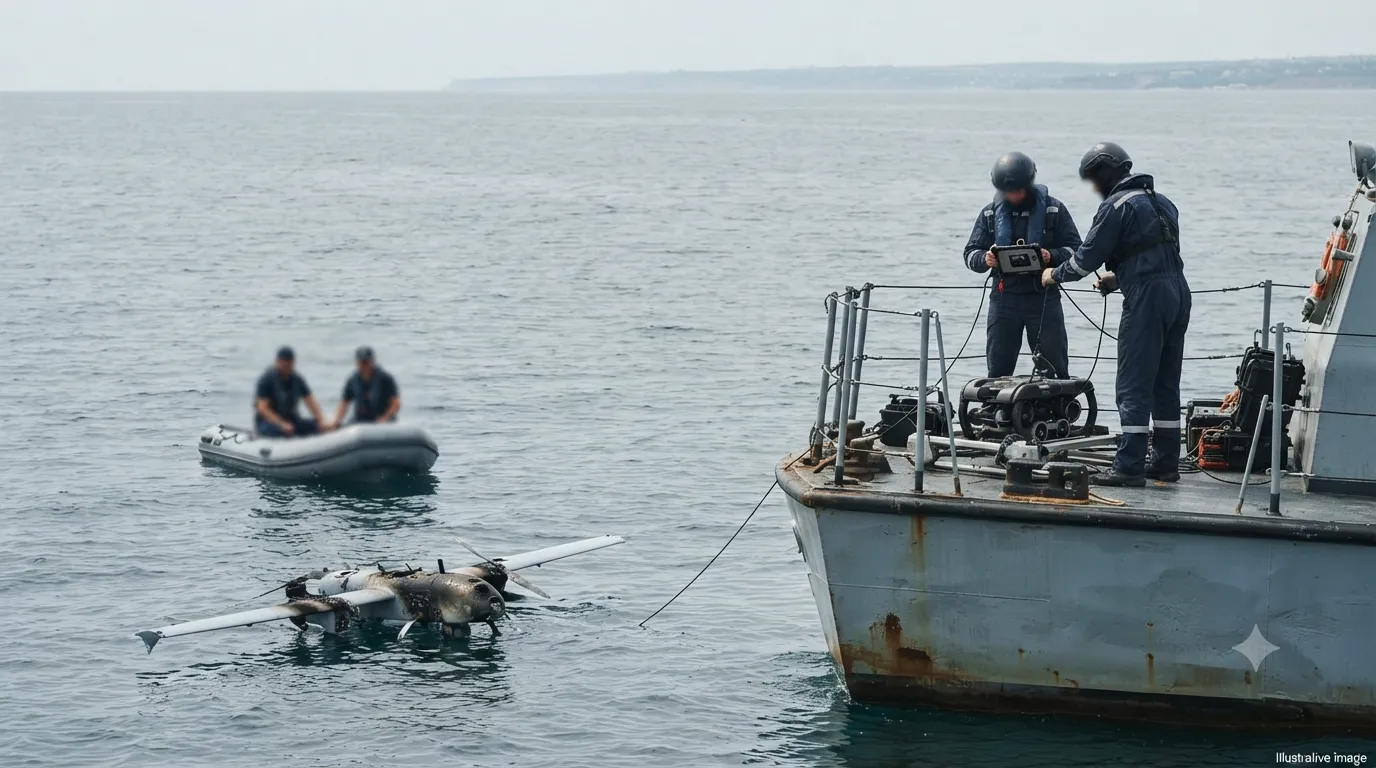
Sofia, Bulgaria — July 2026 — Bulgarian authorities have destroyed an unmanned aerial vehicle (UAV) that was found drifting in the Black Sea with a damaged wing, officials confirmed on July 21, 2026.
The drone was detected after it was spotted floating at sea, prompting a response from Bulgarian military and security authorities. Specialists assessed the situation before carrying out a controlled operation to eliminate the potential hazard.
Controlled Operation at Sea
According to Bulgarian officials, the UAV had sustained damage to one of its wings and was drifting in Black Sea waters when it was discovered.
Military experts were deployed to inspect the object and determine whether it posed a threat to maritime traffic or public safety. After the assessment, authorities decided to destroy the drone in a controlled operation.
No injuries or damage to civilian vessels were reported.
Black Sea Security Remains a Priority
The Black Sea has become an area of heightened security concerns since Russia’s full-scale invasion of Ukraine, with naval mines, drones, and other military-related objects occasionally detected by coastal states.
Countries bordering the Black Sea have increased surveillance and maritime monitoring to protect shipping lanes and coastal infrastructure.
Bulgaria, a NATO member, continues coordinating maritime security efforts with regional allies while monitoring developments in the area.
Authorities Continue Investigation
Officials have not released detailed information about the drone’s origin or mission, and investigations into the incident are ongoing.
Experts are expected to examine recovered fragments to determine the UAV’s type and gather additional technical information.
Authorities emphasized that maritime safety remains a priority and that similar objects will continue to be handled in accordance with established security procedures.
Regional Monitoring Intensifies
Security analysts note that Black Sea nations have strengthened detection and response capabilities as military activity in the region has increased.
The incident highlights the importance of rapid response mechanisms for dealing with potentially hazardous objects discovered in international and coastal waters.